Tragedy in the Desert: What We Know About the KC-135 Incident in Iraq
By Allied Dispatch UK
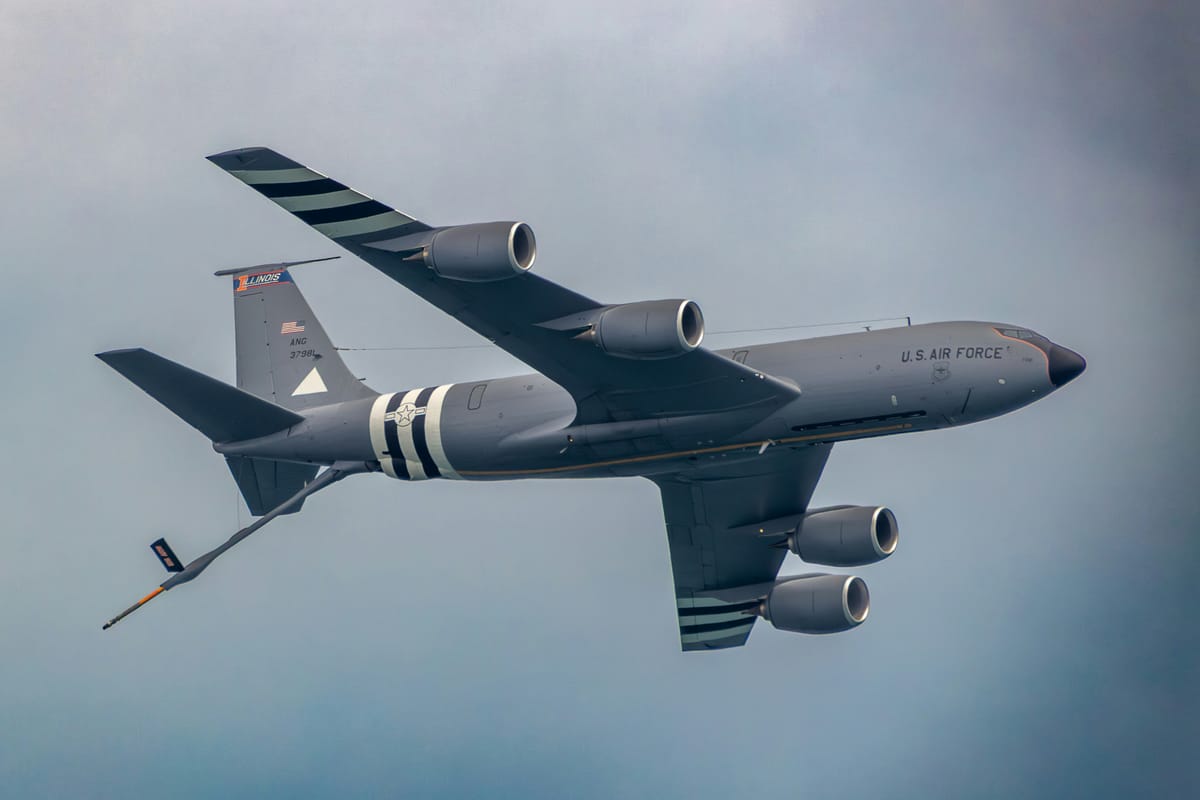
The U.S. Central Command (CENTCOM) has confirmed the loss of a U.S. Air Force KC-135 Stratotanker in western Iraq, an incident that resulted in the confirmed deaths of all six crew.
While initial rumours flooded social media, including false claims of enemy action, the emerging facts point toward a mid-air mishap during a high-tempo sortie for Operation Epic Fury. As a veteran-led outlet, we want to look past the headlines and explain the "why" of the incident and the "why" of the official silence.
The Facts of the Incident
According to official releases and tracking data:
- The Collision: The incident involved two aircraft in "friendly airspace." Sources indicate a possible mid-air incident occurred between two KC-135 tankers above Western Iraq, close to the Iraqi-Jordanian border.
- The Damage: One aircraft was lost; the second sustained damage but managed to land safely, squawking a 7700 emergency code before arriving at an airfield in Israel.
- The Casualties: Six crew members have been confirmed deceased.
The Danger of Speculation: A Veteran’s Perspective
In the vacuum of information, speculation is the first thing to fill the void. We have seen claims of everything from "hostile shoot-downs" to "electronic warfare interference."
Allied Dispatch UK will not participate in this speculation, and we urge our readers to do the same.
In military aviation, the "obvious" cause is almost always wrong. When we guess at causes, we don't just risk being wrong; we risk causing immense, unnecessary pain to the families of those involved.
Why the Process Takes Time
A military investigation is now being convened. This is a meticulous, slow-moving machine for a reason:
- Evidence Preservation: Investigators must collect everything from flight recorders to environmental data and witness statements before they deteriorate.
- Safety Privilege: Much of the initial data is "privileged," meaning it is shared only within the safety community to prevent similar accidents immediately across the global fleet.
- The NOK Window: The military operates on a strict Next of Kin (NOK) notification cycle. No names or units are released until at least 24 hours after the last family member has been personally informed by a casualty officer.
The High Cost of Global Reach
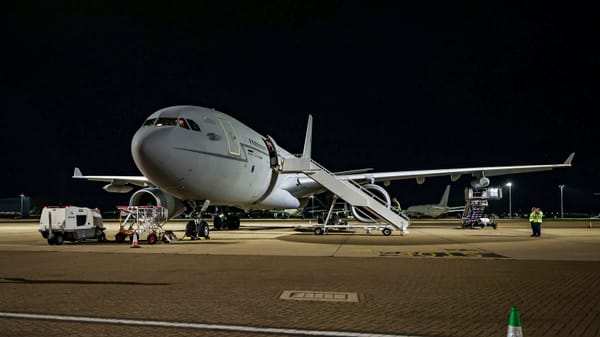
The KC-135 is the backbone of the US Air Force. While an ageing platform, it remains vital for long-range missions. Flying these massive, fuel-heavy aircraft in tight "refuelling tracks" at night and under strict radio silence is one of the most demanding tasks in the cockpit.
During high-tempo operations like Epic Fury, the margins for error are razor-thin. Whether it was a mechanical failure or an operational mishap, the result is a sobering reminder of the risk our military personnel take every time they "cross the fence."
We respect the investigative process and, more importantly, we respect the families currently waiting for the knock on the door. Until the investigation releases its findings, the only "truth" we have is that six brave airmen did not come home.